Start with the right questions
The right interior design appointment depends on how much of the implementation you want to manage. Agree the deliverables and responsibilities before comparing fees.
- Separate concept design from technical drawings and specifications.
- Identify who obtains supplier quotations and places orders.
- Agree the revision allowance and approval points.
Define what a complete design means
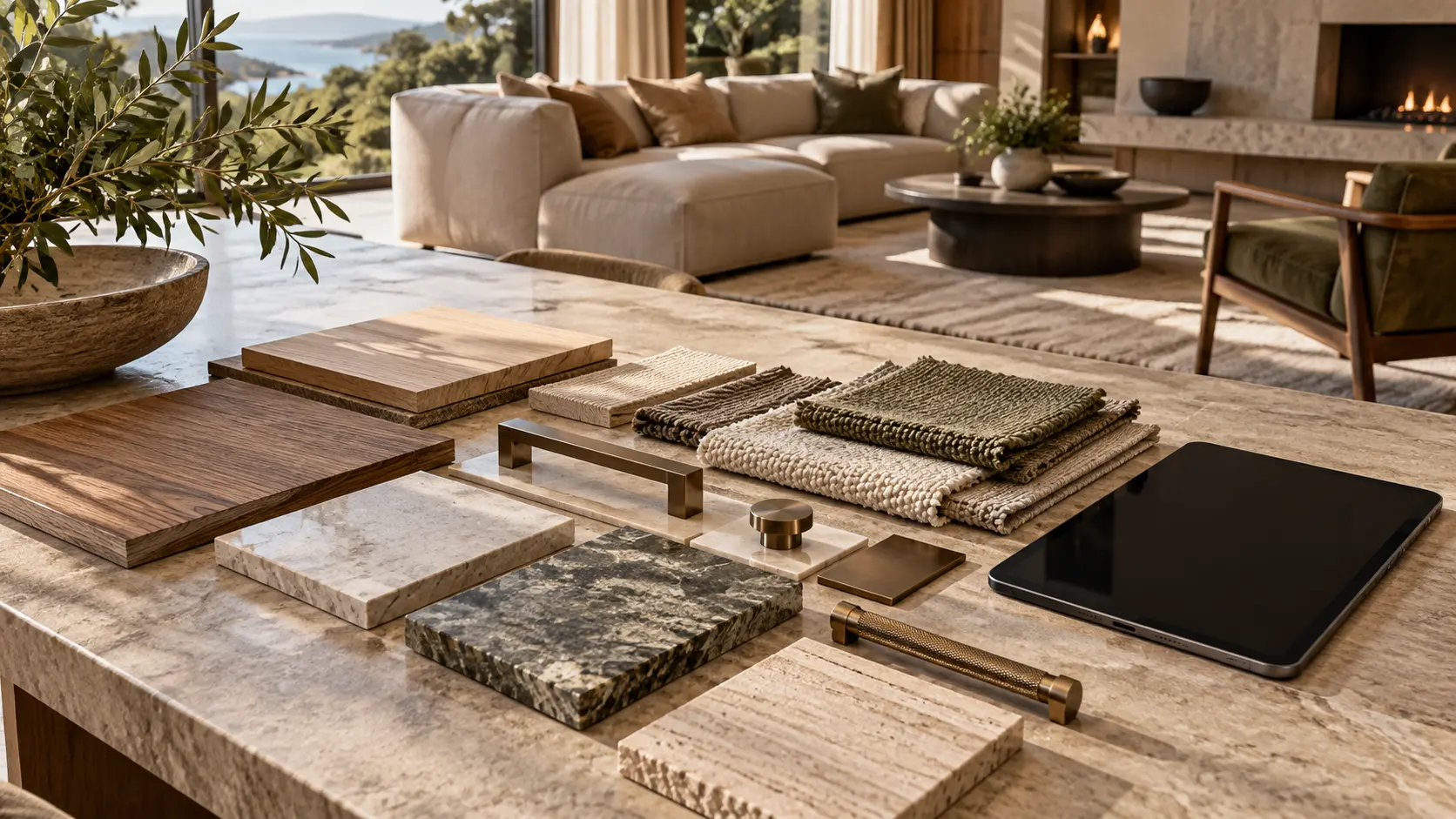
A mood board describes a direction; it is not a construction or purchasing package. Ask which layouts, elevations, finish schedules and furniture specifications you receive. For managed delivery, clarify purchasing terms, installation coordination and how substitutions are approved if a selected product is unavailable.
What to ask for
Before agreeing the next stage, request the following information in a form you can review with your project team.
- A dated deliverable schedule
- Clear procurement and installation responsibilities
- A record of retained furniture and owner-supplied items
Compare appointments by their deliverables
The phrases design service and managed delivery can cover different tasks. Ask for the stages, drawings, specifications, meetings and revision allowances included in each proposal. Clarify whether the appointment stops at concept design or continues into information suitable for supplier coordination. A visually complete presentation is not necessarily a complete procurement or construction package. Compare named outputs and responsibilities rather than choosing between two broad labels that different businesses may use differently.
Identify who turns a selection into an order
A design may identify an item without including quotation requests, purchasing, delivery or installation management. Record who checks current product information, approves substitutions, places orders and handles damaged or delayed goods. Client-purchased furniture also needs a place in the programme. Clear ownership of these tasks prevents a gap between an attractive specification and the practical work required to bring the selected pieces into the property.
Planning example: a living room with bespoke joinery
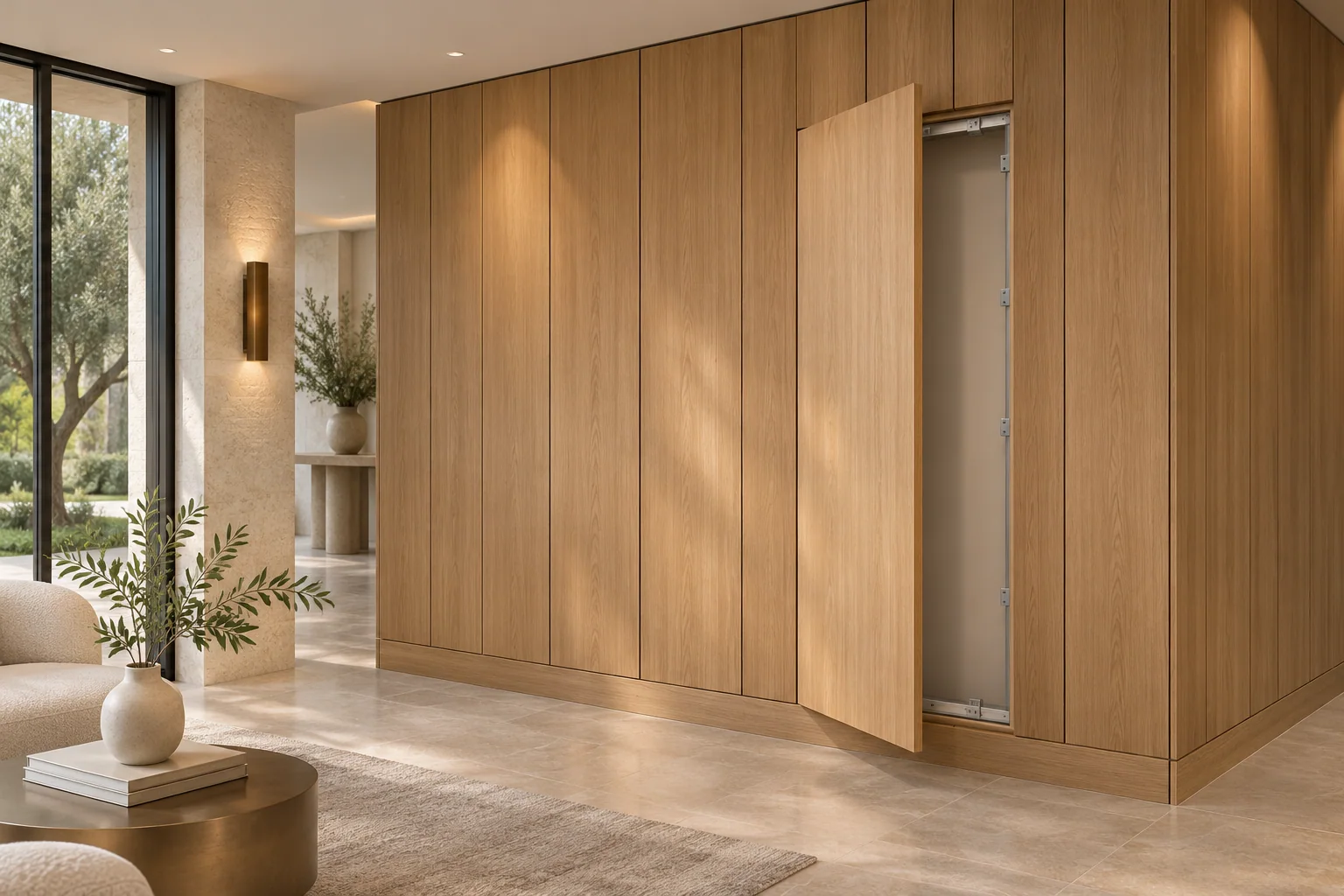
Imagine a brief containing furniture, lighting and a fitted media unit. A design-only appointment might provide the intended arrangement and specified design information, while the owner appoints separate suppliers for development and delivery. A broader coordination appointment may include additional reviews and procurement tasks. Neither description should be assumed from the label alone. Ask who develops fabrication information, checks interfaces, reviews samples and coordinates installation, then compare the actual offers.
Understand the role of site involvement
Ask what site visits or reviews are included, their purpose and how additional work is handled. A designer's visit is not automatically continuous supervision or responsibility for every contractor's technical work. Keep professional and contractual boundaries explicit. If the scope requires other specialists, identify who appoints them and how their information reaches the design team. This makes the support useful without implying that one appointment replaces every discipline involved in delivery.
Choose the support level you can realistically manage
Consider the time and experience available within the household for supplier conversations, decisions and logistics. If you prefer to manage procurement, ensure the design information and handover between parties support that role. If you want more coordination, ask which activities are included and how updates will be communicated. Record the choice in the appointment and revisit it if the scope changes substantially, rather than allowing responsibilities to drift informally during the project.
Bring the brief to a specialist
Share your location, current photographs, approximate dimensions and priorities. A scoped review can then identify the information needed for a useful proposal. Product choices, project dates and final prices should follow the actual property and agreed specification.
Make this useful for your project.
A review of your property and priorities can turn general guidance into a defined brief.
Explore Design and build coordinationDiscuss your project