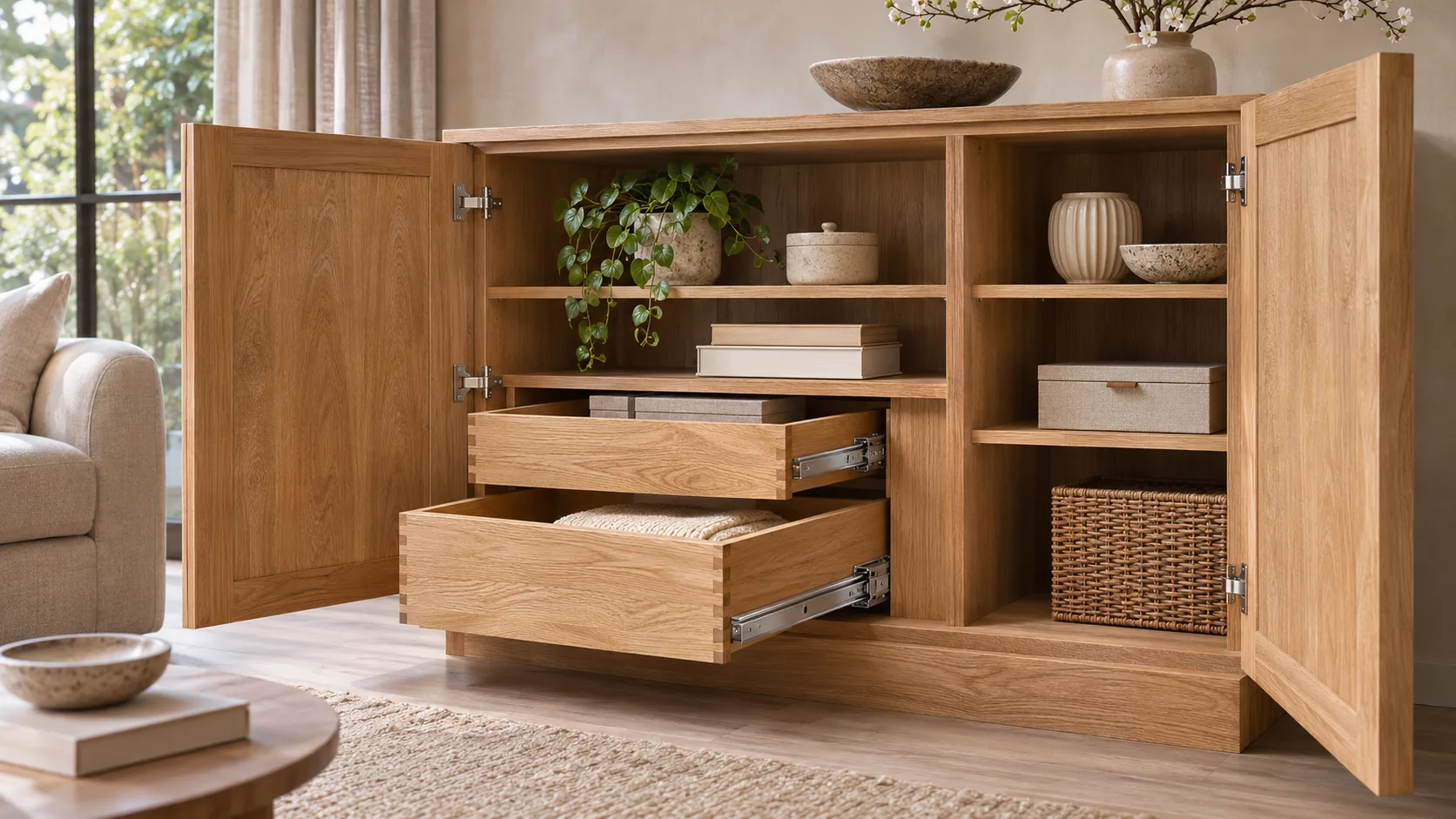
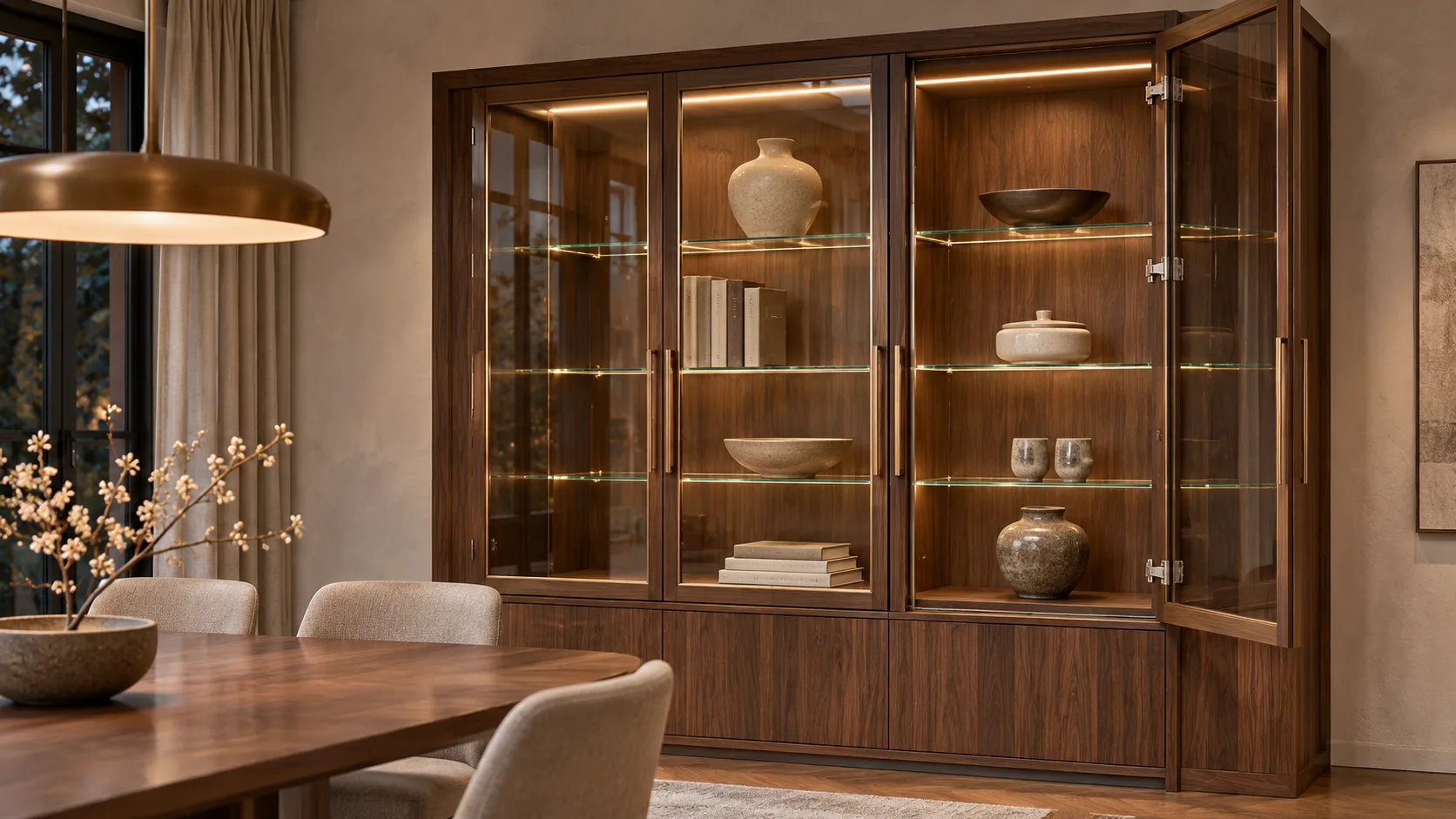
Bespoke furniture connects exact dimensions with material and comfort requirements. Review drawings, samples and intended use before agreeing fabrication.
Bespoke furniture connects exact dimensions with material and comfort requirements. Review drawings, samples and intended use before agreeing fabrication. Your proposal identifies the agreed work packages, material choices and responsibilities for your specific property.
01
Measured furniture brief
02
Design drawings
03
Material and finish samples
04
Fabrication and delivery plan
BEFORE DESIGN IS FINALISED
The right questions at the right time.
What must the piece do?
How will comfort and proportions be reviewed?
Can it be delivered and installed as designed?
We work through these decisions using the existing property information, site conditions and your priorities. Any specialist review or approval responsibility is identified in the project proposal.
BUDGET & PROGRAMME
Start with the scope.
A useful price follows measured quantities and an agreed specification. For custom furniture, the scope and installation interfaces matter as much as the visible finish.
The programme separates design, external reviews, procurement and site work. It also records the decisions needed from you before orders or installation can proceed.
Custom furniture should begin with use, proportions and the room around it. Check seating comfort, reach, storage contents and cleaning access before approving the external form. Materials, hardware, upholstery and support details belong in the fabrication package. Where the design is unusual, a sample or mock-up can resolve questions that a rendering cannot answer.
Keep the agreed choices with the current drawings and specification. Identify who designs, supplies and installs each element, and how the work connects to neighbouring packages.
The proposal should also record any remaining investigations, product information and handover requirements. Resolve changes in writing so their effect on the scope and programme can be reviewed.
A room needs a piece that fits a specific function and proportion, such as a dining table or storage cabinet. Compare a suitable existing product with a bespoke design using the actual dimensions and daily routine. Review materials, touch points, movement and delivery. Custom work is most useful when it resolves a defined need, not simply when an unusual object can be drawn.
A SCOPE YOU CAN REVIEW
What to resolve in the proposal
Ask for the design and fabrication information appropriate to the piece, with materials, finishes, hardware and relevant technical responsibilities identified. Agree sample or prototype reviews where useful and record their purpose. Include delivery, assembly and installation boundaries. Retain the final references and care guidance so future maintenance is based on the actual object supplied.
Begin with what the piece must hold, support or make easier. Measure the room, access route and nearby doors, sockets, skirtings and ventilation grilles. For seating, review posture, height and how people get in and out; for storage, list the contents and frequency of use. This brief gives a meaningful basis for comparing a suitable existing product with a bespoke piece rather than treating custom manufacture as the automatic premium option.
Test the dimensions in the room with tape, cardboard or a simple mock-up. A rendered object can look balanced while its reach, seat depth or circulation is uncomfortable at full scale. If several people use the piece differently, record those differences and decide which requirement leads. A successful custom item belongs to the daily routine and the architecture around it.
Approve a fabrication package, not only an image
Before manufacture, approve drawings, dimensions, materials, finishes, hardware, upholstery and relevant junctions or fixings. Review physical samples where colour, grain, texture or touch matters. The package should identify which details remain subject to site verification and how a change is recorded after approval. For complex or repeated elements, a prototype can resolve comfort and construction questions before the full order proceeds.
Plan delivery and assembly while the design is still adjustable. Check lifts, corridors, corners and door openings, and distinguish loose furniture from items fixed to walls or floors. At handover, retain final references and care guidance, and understand how adjustable hardware or replaceable components are accessed. These practical records protect the value of the design more than an unreferenced visual alone.
CONNECTED SCOPE
Plan the neighbouring decisions.
These related services often meet this scope at shared drawings, finishes, services or handover points.