The direct answer
Before ordering film, define the primary problem, identify the existing glazing, confirm building or façade consent, and obtain a written compatibility review for the proposed glass-and-film combination. Compare visible-light transmission, reflectance, colour, solar performance, privacy conditions, installation side, edge treatment, cleaning and warranty boundaries. Approve a meaningful on-glass sample in the real room. Film is not a generic transparent finish: it changes how a window absorbs, reflects and transmits energy as well as how the interior looks by day and at night.
Rank the objective before comparing products
Write one primary objective and no more than two secondary ones. Reducing afternoon glare, lowering perceived solar heat, adding daytime privacy, managing ultraviolet exposure and improving broken-glass retention are different briefs. A dark reflective product may reduce glare but alter colour rendering and the external façade. A clear product may preserve views but deliver a different solar result. Privacy also changes after dark when interior lighting is brighter than outside. Ranking the objective stops a salesperson from presenting a single percentage as proof that one film solves every concern.
Record the existing glass and frame
The survey should identify pane configuration, thickness where known, tint or coating, laminated or toughened status where documented, insulated-glass make-up, orientation, dimensions, edge condition, frame type, blinds and external shading. Gather building records rather than guessing from appearance. Photograph unusual shadows, furniture close to the glass and partly covered panes. These factors help the film manufacturer or specialist assess thermal stress and installation suitability. If the glazing cannot be identified confidently, record that uncertainty and seek further investigation before approval.
Treat thermal stress as a selection gate
3M’s technical bulletin explains that film changes solar absorption and that glass type, edge condition, shading and other factors influence thermal-stress risk. Guardian Glass likewise notes that high energy absorption increases thermal-stress risk and can affect the glass treatment needed. The buyer response is not to calculate glass stress from a marketing sheet. Require the proposed supplier to confirm compatibility using the actual glass information, product reference and pane conditions, and retain that assessment with the warranty documents.
Compare appearance in real light
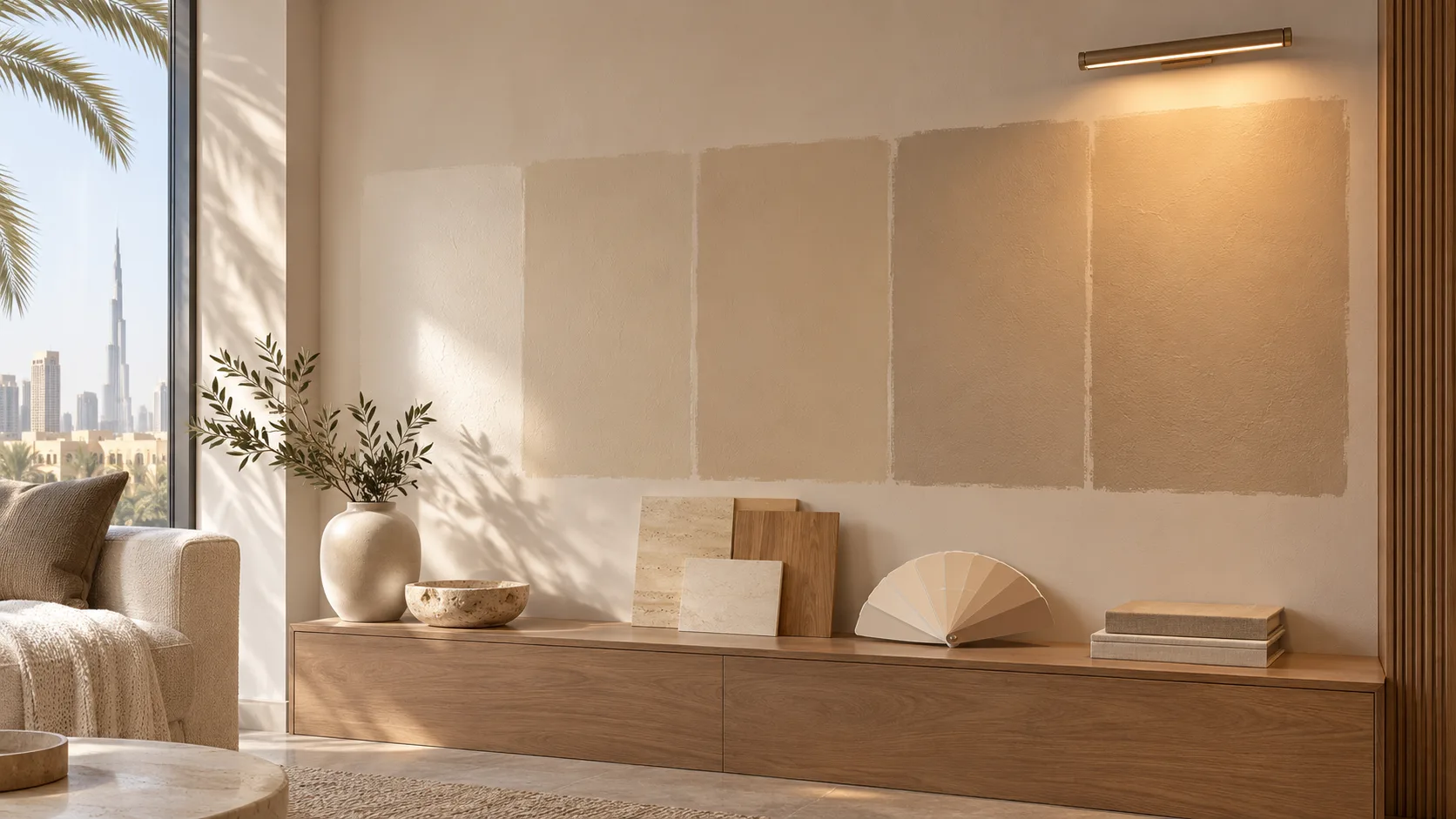
Review samples from inside and outside at morning, peak sun, overcast light and after dark where possible. Look for colour shift, haze, reflection, view clarity, edge lines and consistency across adjacent panes. Place the sample beside curtains, wall colours, timber and artwork because the room palette may read differently through altered daylight. A small loose swatch is insufficient; use an agreed on-glass sample large enough to show the effect. Obtain façade or building-management consent before a finish changes the external appearance of apartment or community glazing.
Planning example
A west-facing apartment living room experiences late-afternoon glare, while the owner wants to preserve a neutral view and avoid a mirror-like façade. The brief ranks glare first and heat perception second. The team records the insulated glazing and building rules, then requests two compatible products with technical data and thermal-stress review. Large samples are assessed from both sides in afternoon sun and after dark. The preferred film proceeds only after management consent. This planning example does not claim a measured energy saving or universal glass compatibility.
Pre-order checklist
Close these items before ordering a full roll or booking installation.
- Primary and secondary objectives are written in order of importance.
- Existing glass, frame, orientation, shading and condition are recorded.
- Building-management and façade-consent requirements are confirmed.
- The exact film and attachment system have written glass-compatibility evidence.
- Visible light, reflection, colour, solar and privacy data are compared on the same basis.
- A large on-glass sample is approved in representative daylight and night conditions.
- Installation method, edge finish, curing, cleaning, warranty and removal are documented.
Separate security claims from sun control
A solar-control film and a tested safety or security system are not interchangeable. Where broken-glass retention or intrusion delay is a real objective, ask for evidence covering the proposed film, glass, frame and any perimeter attachment. 3M’s product information explicitly notes that many factors influence impact or break-entry performance. Avoid terms such as shatterproof or unbreakable. The correct brief describes the intended performance, test evidence, installation scope and limitations without presenting film as a substitute for compliant glazing, locks, alarms or a wider security strategy.
Normalise the supplier comparison
Give every supplier the same pane schedule and ask for the exact product code, installation side, technical data, compatibility response, expected external appearance, edge detail, warranty conditions and exclusions. Record whether the quotation includes access equipment, protection, furniture movement, mock-up, removal of failed film and replacement of one damaged pane. Ask who owns the risk if the glazing information supplied proves incomplete. Compare like-for-like data rather than brand families or broad claims such as premium ceramic. This schedule also exposes whether a quoted security option includes a tested perimeter attachment or only film applied to the visible glass.
Limitations and maintenance
Actual comfort and energy outcomes depend on orientation, glass area, shading, air-conditioning, occupancy and the selected product; a brochure value does not predict the whole room. Film cannot repair damaged glazing or poor seals. Cleaning methods, cure times, edge care and replacement of a single damaged pane should be agreed. Some visual variation may be noticeable across different glass make-ups. Keep product data, sample reference, installer details and warranty conditions in the handover record so later cleaning or façade work does not rely on memory.
The next step
Issue a two-page comparison before approval: page one records the room problem and existing glass; page two compares no more than three compatible films against the ranked objectives. Attach the technical data, written compatibility response, consent and approved sample photographs. This creates a defensible material decision and gives the installer a clear scope rather than a colour name and a promise to make the room cooler.
Sources & further reading
Make this useful for your project.
A review of your property and priorities can turn general guidance into a defined brief.
Explore Modern interior designDiscuss your project